Book a demo
We'll show you exactly how AI is impacting your speed and code quality.
4.7/5



We'll show you exactly how AI is impacting your speed and code quality.
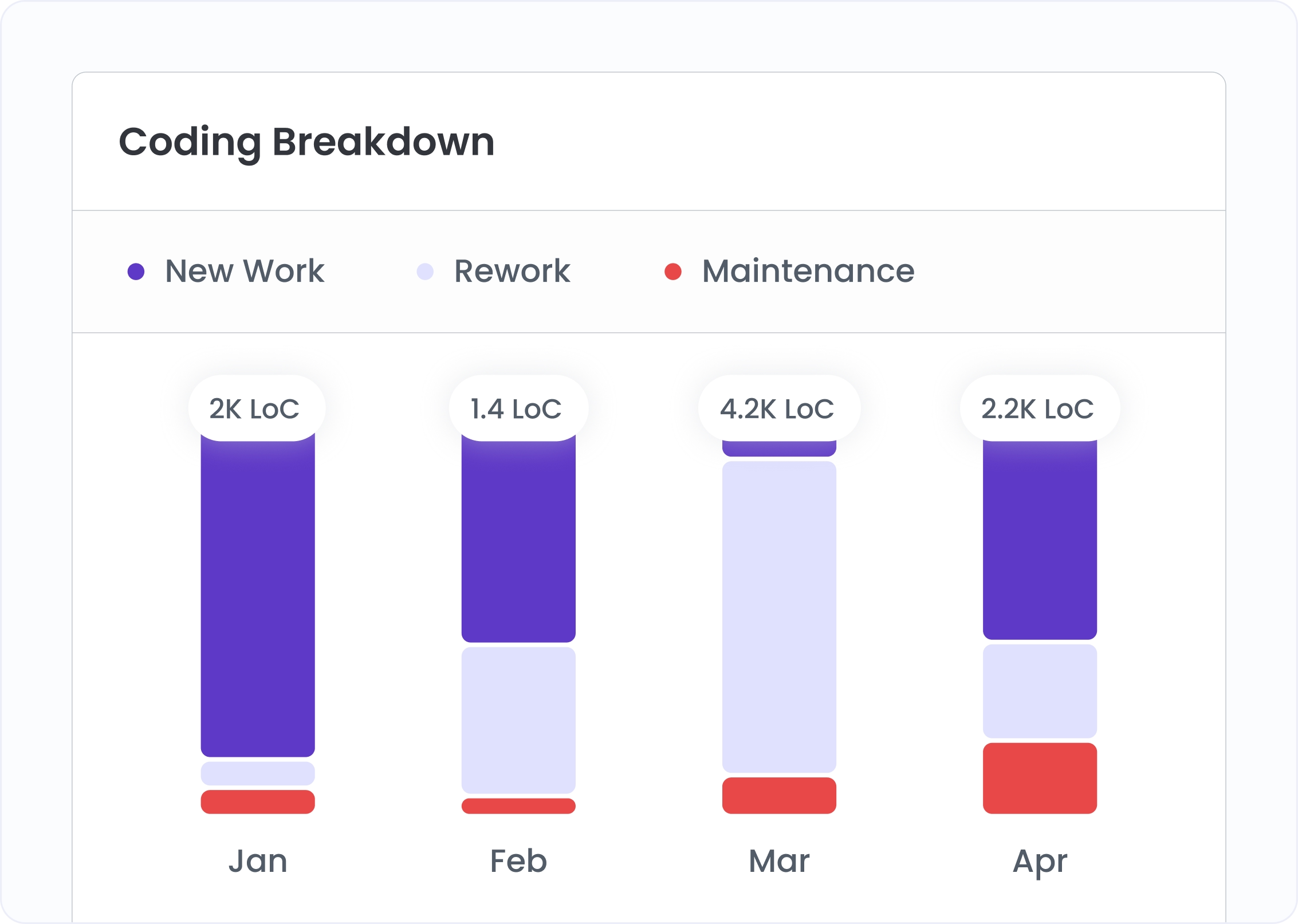
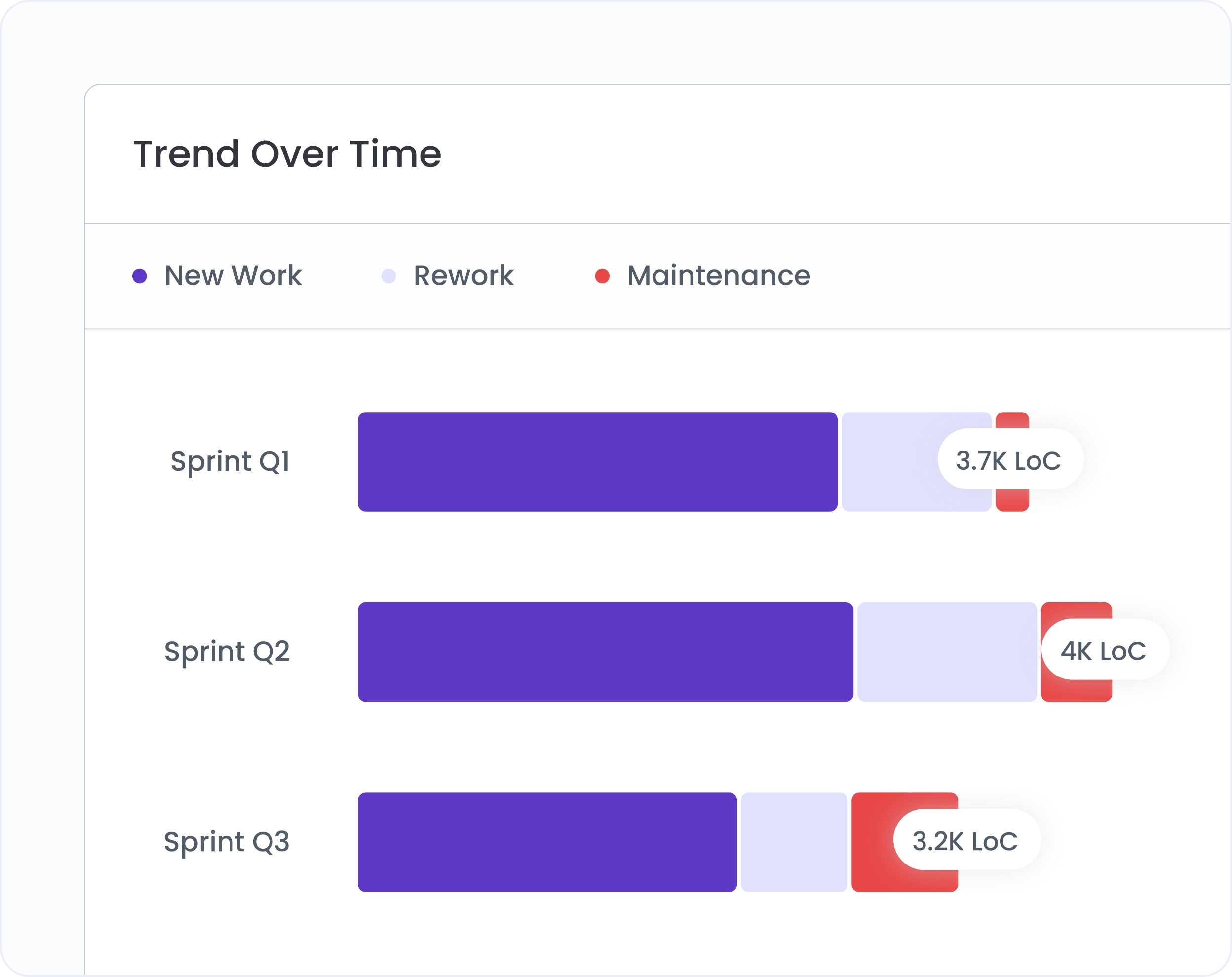
The stacked column chart shows New Work, Rework, and Maintenance proportions week by week. When rework climbs, requirements are breaking upstream. When maintenance dominates, tech debt is consuming sprint capacity before new features get a chance.
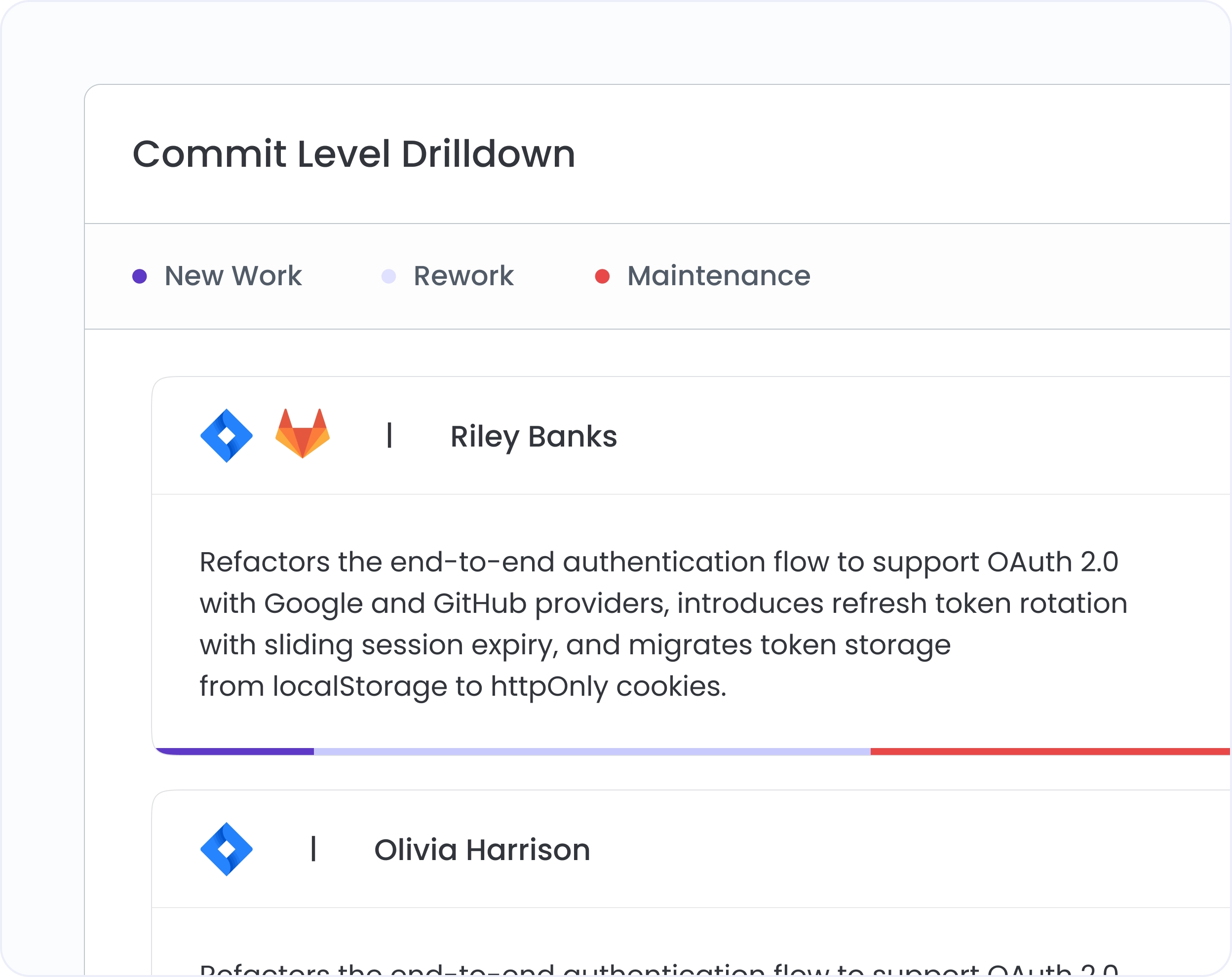
Click any bar and the commits behind it appear, each showing its New Work, Rework, and Maintenance split, the developer who wrote it, and the Jira ticket it belonged to. The sprint lost to rework stops being an abstraction.
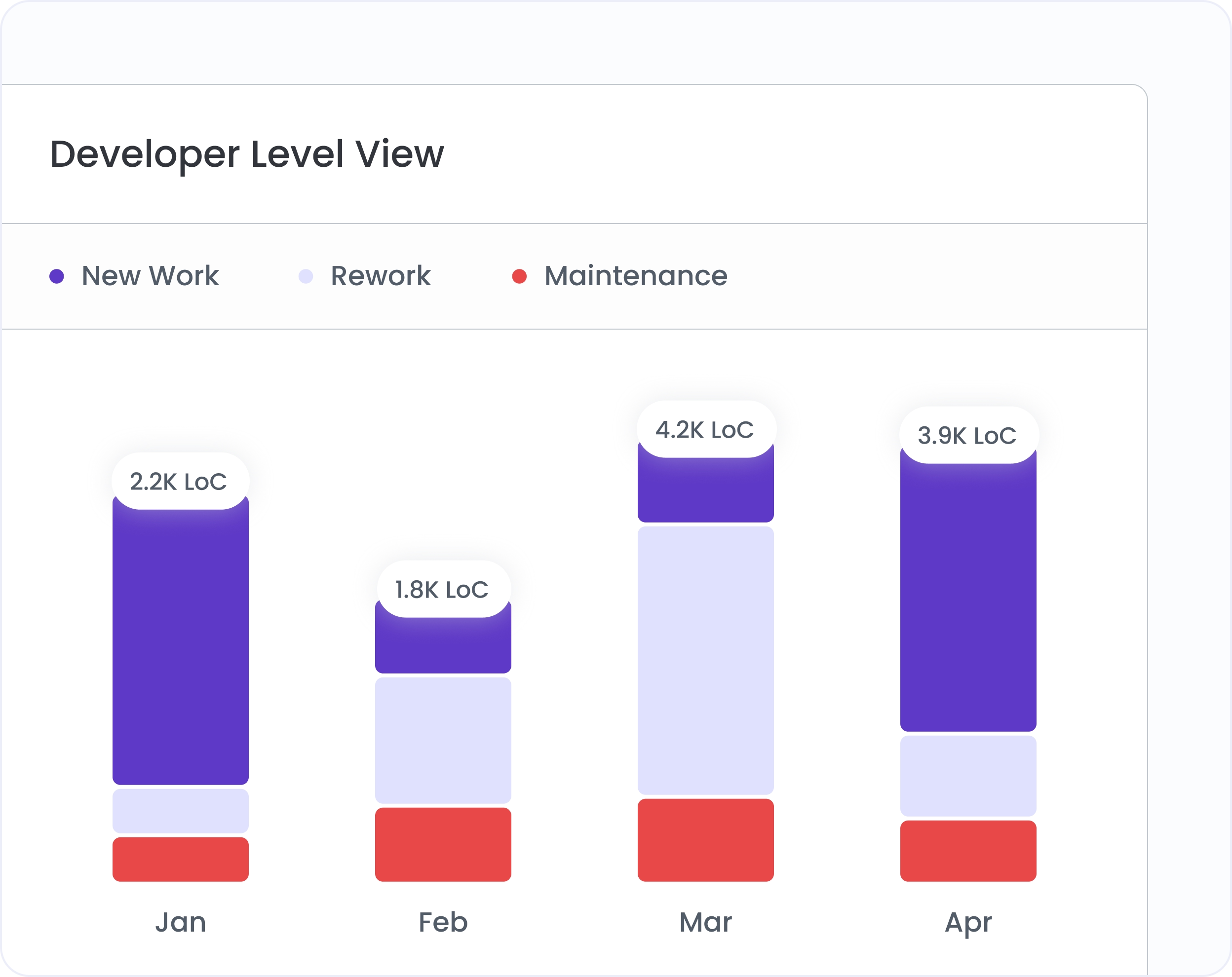
Filter to any team or individual developer for their personal New Work, Rework, and Maintenance split. The developer with the highest maintenance percentage isn't slow. They're probably working in the most compromised part of the codebase.
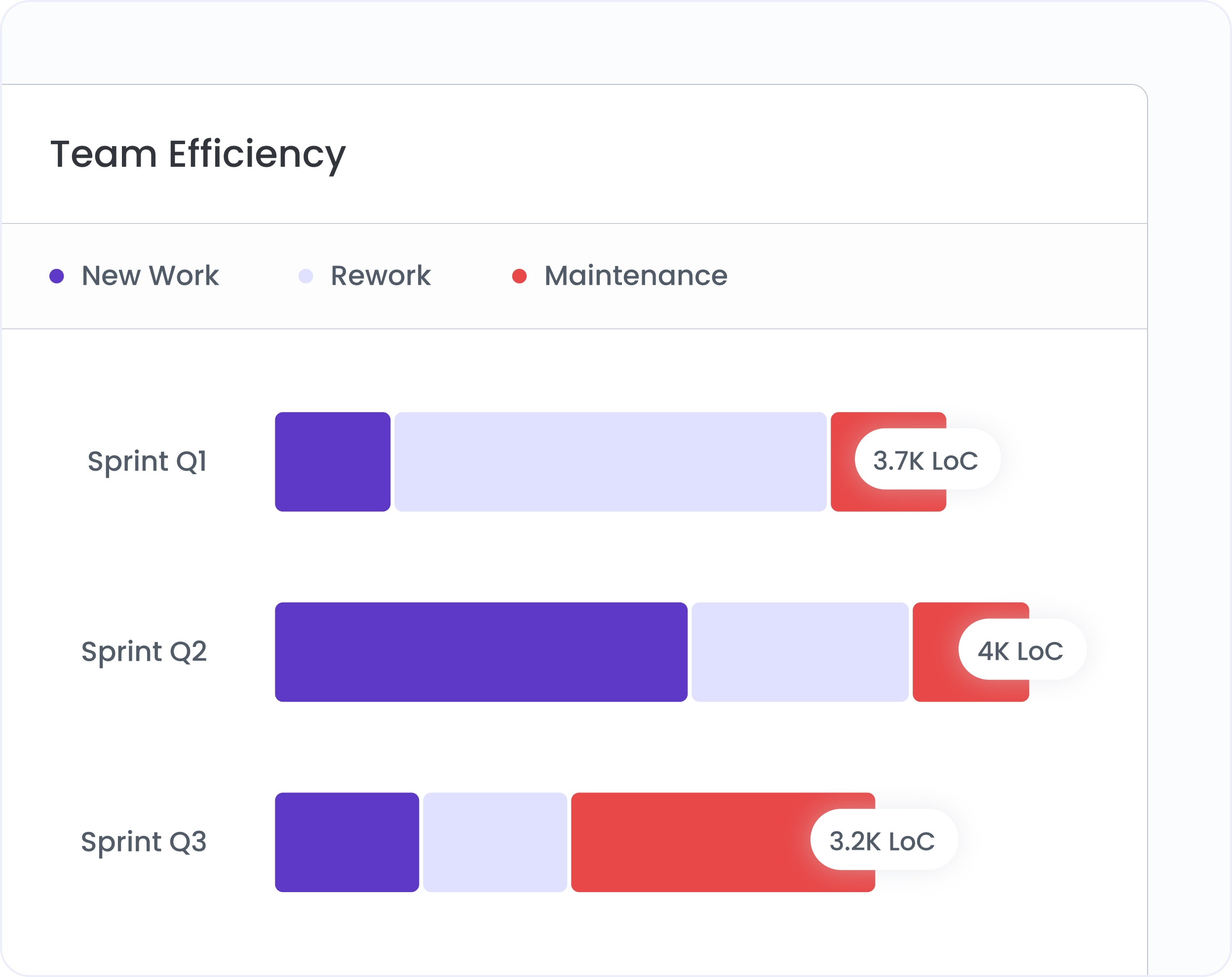
As AI tools roll out, New Work percentage should climb and Rework should shrink. If rework is flat or rising despite higher AI usage, something earlier in the process (requirements, scoping, review) is generating instability that AI speed can't fix.
Set the New Work, Rework, and Maintenance baseline per team before making process changes. Improvement is only measurable against a starting point.
Filter to PRs with no linked ticket to see how much effort happens outside the roadmap. Untracked work that shows as rework is the most expensive kind.
A one-off large refactor skewing the maintenance percentage? Exclude the commit directly. Metrics update immediately.
Scope the view to specific repos to compare quality patterns across product areas. The repo with highest rework usually slows feature delivery most.

New Work is any new line of code written. Rework is code modified or deleted within 30 days of being written: bug fixes, scope changes, integration failures. Maintenance is code modified or deleted that was originally written more than 30 days ago. Calibrated to typical sprint cycles.
Not always. Some rework is normal in any agile team. The signal is in the trend. Rework climbing over multiple sprints usually points to unstable requirements or quality gaps. Maintenance climbing usually points to growing technical debt.
Yes. Filter to the repos or teams with the highest maintenance percentage and show the trend over time. That data makes the case that engineering capacity is being consumed by debt rather than feature delivery, in terms product or finance stakeholders understand.


.svg)
.png)